
June 2, 2026
FORGE visits Democracy at Work Fund partners in South Africa
By Elias Hakim, Program Officer
In May, following FORGE’s site visits with partners in Kenya, Program Officer Elias Hakim traveled to Johannesburg, South Africa, to meet with two of the projects under the 2026 round of the Democracy at Work Fund: Izwi Domestic Workers Alliance and Change and Equality for Every Mankind (CEEM).
These projects are commencing during a tense moment in South Africa’s political climate. In recent months, South Africa has seen the reemergence of xenophobic, anti-migrant demonstrations and violent attacks in major cities, including Johannesburg. This flare up of xenophobia, part of a pattern beginning in 2008, is tied to deteriorating socioeconomic conditions, crime, and an unemployment rate of 43%, with immigrants pointed to as an easy scapegoat. The South African government has been criticized for not doing enough to protect immigrants or holding vigilantes to account.
In addition to high unemployment, more than one in five South African workers are part of the informal sector. The International Trade Union Confederation Global Rights Index has rated South Africa a 3, indicating a regular violation of rights. Human trafficking, especially of undocumented immigrants, remains rampant - with the most recent Global Slavery Index estimating that approximately 158,000 people live in modern slavery in South Africa.
The Democracy at Work Fund grantees in South Africa are organizing within this context. Izwi organizes domestic workers, many of whom are migrant workers. CEEM represents migrant farm workers, many of whom are victims of human trafficking schemes.
From these visits, FORGE learned about both the risks and opportunities that this moment presents for the grantee partners, and how the delivery of the DAWF grants will bolster their work and strengthen their organizations over the next 12-18 months. The resilience and innovation demonstrated by these projects illustrates clearly the necessity of supporting worker-led solutions to the biggest challenges we face.
Izwi Domestic Workers Alliance
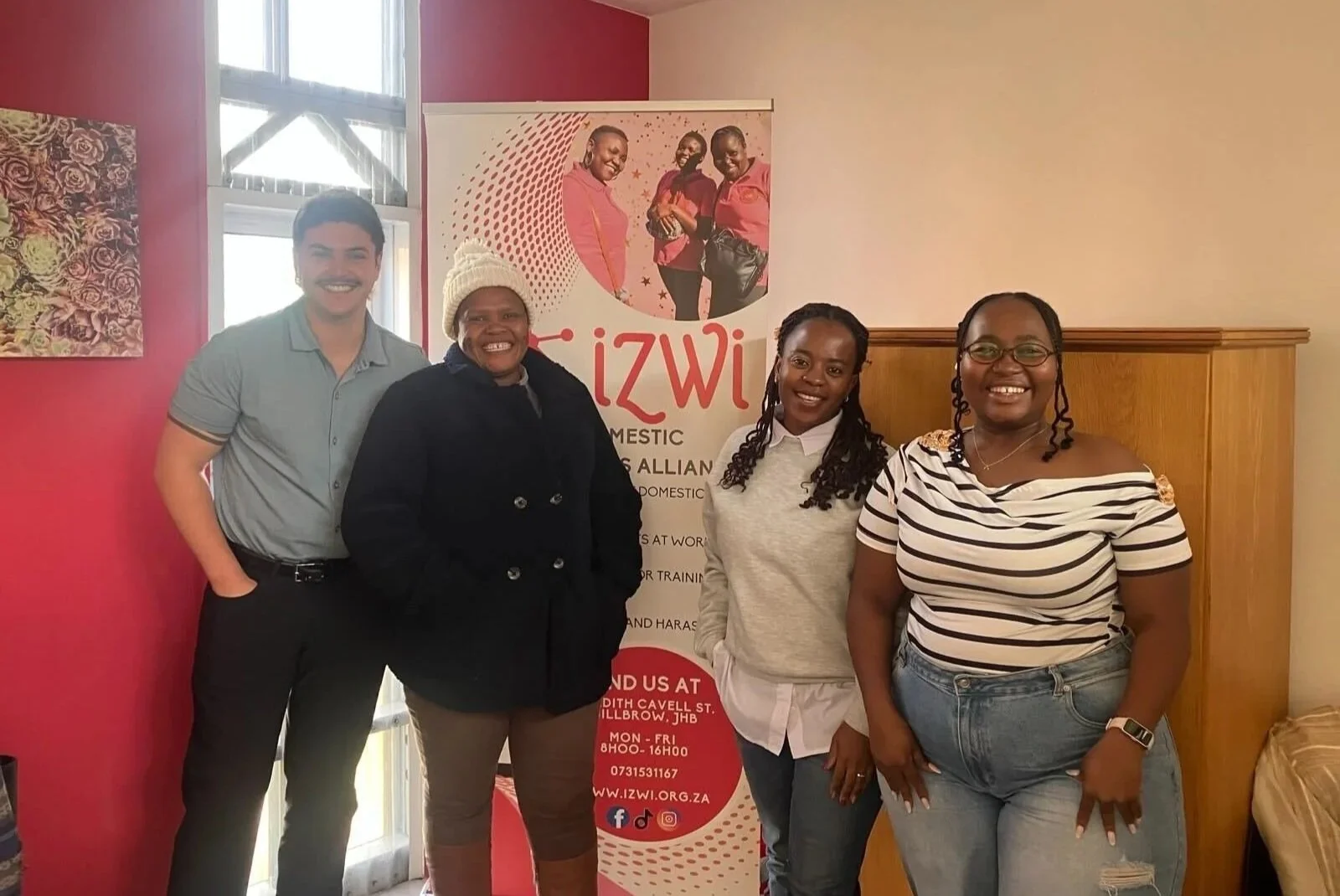
FORGE is proud to continue our DAWF support for Izwi, an initiative that demonstrated strong results in the first round of the fund. Their project aims to increase formalization of work for domestic workers, access to justice for workers whose rights have been violated, increase organization and visibility of platform workers, and increase labor rights protections for domestic, migrant, and other precarious workers dependent on platform-based employment.
South Africa has recently seen waves of xenophobic protests and attacks. 25% of South African domestic workers, including many of Izwi’s members, are migrants. This has resulted in heightened risk to the organization and their members. Domestic workers are also being hit hard by the energy crisis given their lack of disposable income.
Izwi is well positioned to build their organizational infrastructure and scale their impact in this new round of the fund. They have hired an outreach staffer, introduced a paid membership tier, and are preparing a marketing campaign to sell their domestic worker uniforms to build up their membership and financial resilience. With their increased team capacity, they are hoping to double their case load, to 600 cases a year.
Izwi is also working to build their organizing capacity. They currently have 2,500 domestic workers organized in their WhatsApp groups. They are building up their local neighborhood groups in terms of financial management, and training educators on labor rights and gender-based violence. Through partnerships and engagements with initiatives like Global Platform Workers Solidarity Project and the National E-Hailing Federation of South Africa, Izwi is exploring strategies to organize domestic platform workers, a growing share of the domestic work market.
Change and Equality for Every Mankind (CEEM)
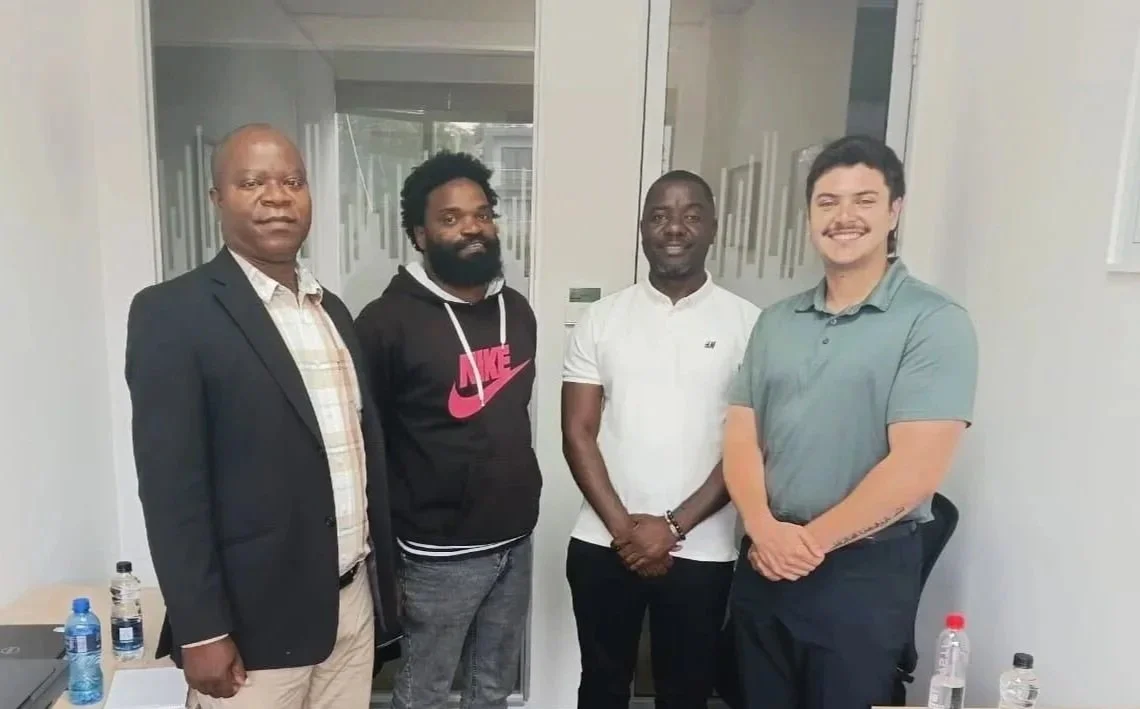
In recent years, human trafficking of undocumented migrants has become a major source of farm labor in South Africa. Organized syndicates operate across borders, with official complicity by police and immigration officials, to traffic migrants from Malawi, Mozambique, Zimbabwe, and many more countries into forced labor across sectors - including agriculture. These workers have no way to seek legal redress, as any reporting will result in their detainment and deportation.
CEEM hopes to address this dynamic through advocating for bilateral agreements on responsible migration and labor sourcing between South Africa and their home governments, as well as advocacy for a special visa type for these migrant workers.
On top of human trafficking and modern slavery issues, migrant farmworkers in South Africa face a plethora of issues around occupational safety in addition to specific issues facing women and LGBTQ+ migrants.
CEEM’s initiative includes organizing migrant farmworkers, advocating for safer and fairer working conditions, supporting legal documentation, and empowering underrepresented groups, especially women, to collectively assert their rights and build resilience against exploitation and abuse. They work through a system including WhatsApp, local organizing clusters, and annual meetings to identify the issues facing workers and coming to consensus on potential solutions. CEEM supports workers in accessing their rights and building power, and engages in high level strategic advocacy with farm owners, government departments, and home country governments.
Their work is deeply impacted by the rise in xenophobic violence in South Africa. There is a chilling effect on their organizing, and a spike in all forms of violence against migrant workers, including from the recent wave of xenophobic protests, farm owners, and intracommunal violence. Despite the risks to their work, CEEM views the current focus on migration as an opportunity to push for their framework of responsible immigration policy, and hope to use this moment as a flash point to organize more migrant workers.
FORGE is proud to partner with both of these organizations in the 2026 round of the Democracy at Work Fund, and we look forward to highlighting more of their work, achievements, and lessons as their projects continue to unfold under the fund. It is more important than ever for philanthropy to invest in organizing worker power, especially in the face of unfolding crises.